

Department of Pharmacy Practice
The Department of Pharmacy Practice, a patient-oriented discipline, was established in 2010. The Department of Clinical Pharmacy was earlier founded in 2008 at BTG Hospital, Kalaburagi, serving as a key practice site.
The primary objective of the department is to impart patient-centered pharmacy education and train students in Clinical Pharmacy Practice aligned with international standards. In addition to academic training, the department provides Clinical Pharmacy services at BTG Hospital and affiliated practice centers.
The department is supported by a team of well-trained faculty, adequate infrastructure, and modern library facilities. It houses electronic databases, an ample number of computers, broadband internet access, and an extensive collection of standard texts, references, and national/international journals, enabling students and faculty to stay at the forefront of patient care and research.
Vision
To develop pharmacists as healthcare professionals committed to preserving and advancing public health.
Mission
- To impart quality teaching and training in pharmaceutical care services
- To develop and advance students’ knowledge, skills, and competencies to promote the rational use of medicines
- To prepare students to deliver value-based patient care services that enhance therapeutic outcomes through evidence-based practices and research
Innovations and Best Practices
The department adopts a variety of innovative pedagogical methods and best practices to enrich the student learning experience and promote practical competency.
Innovations in Teaching
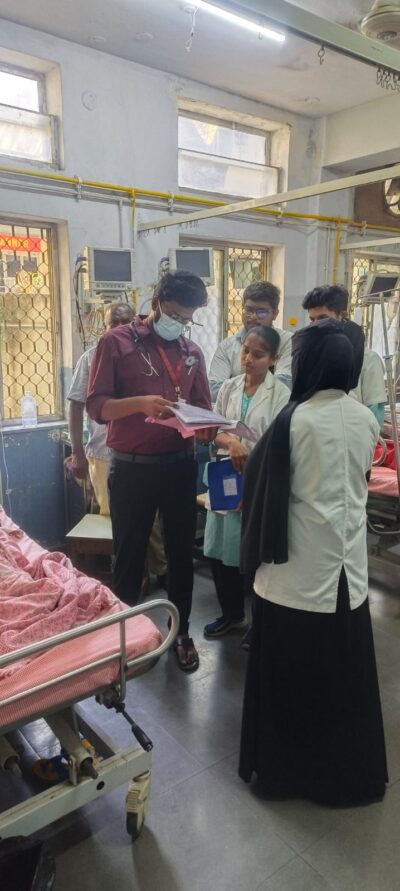
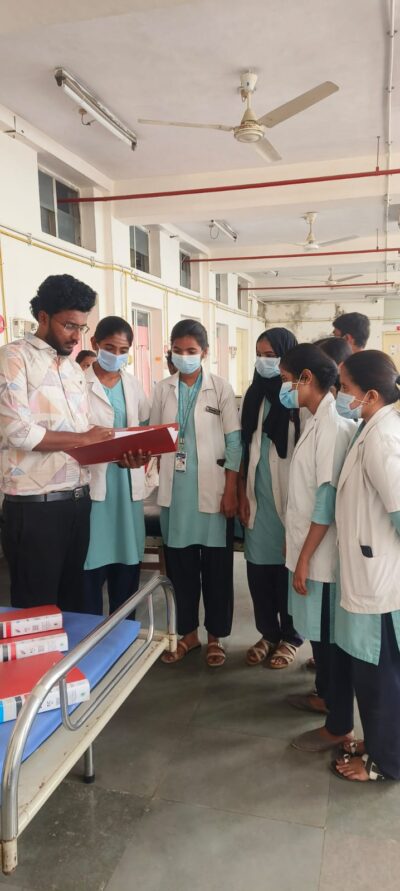
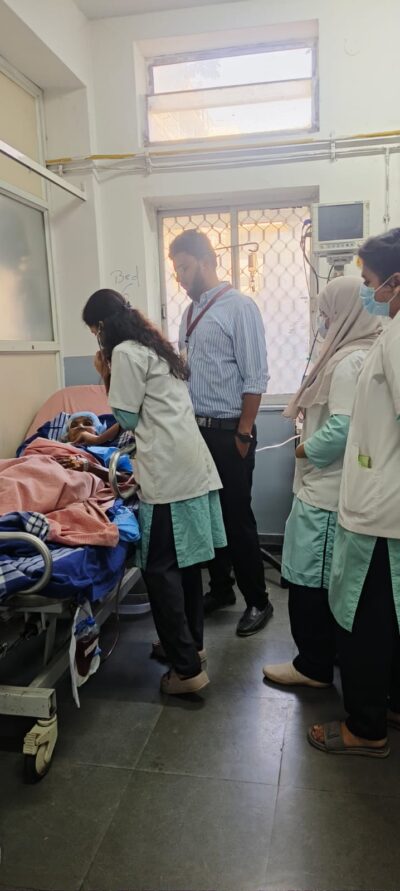
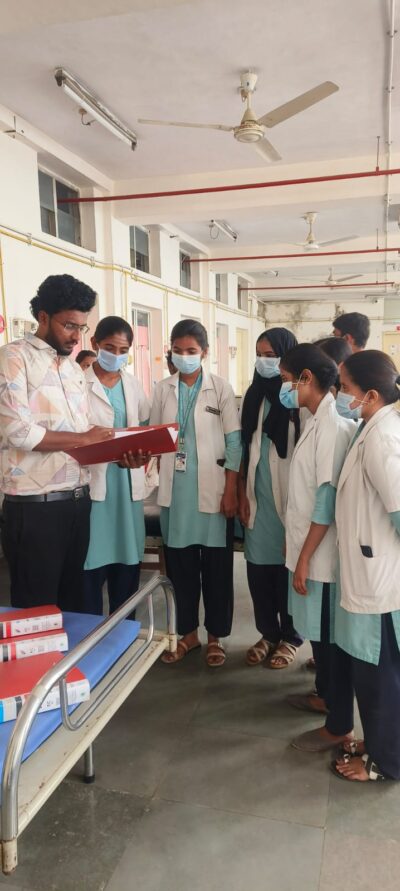
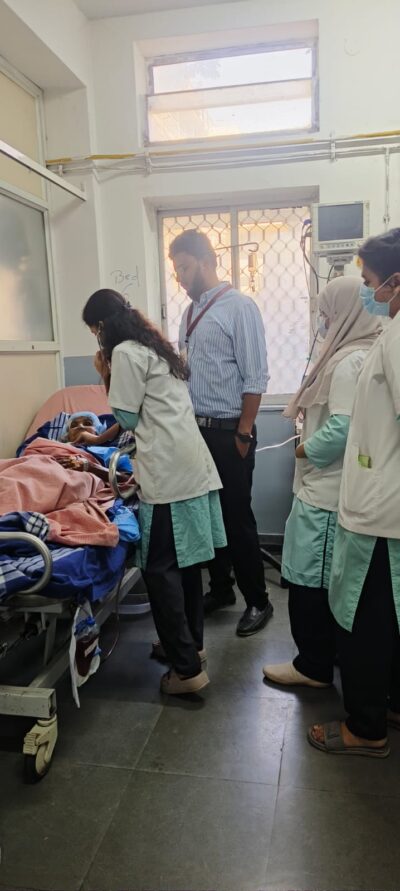
- Bedside teaching at affiliated hospitals
- Problem-Based Learning (PBL)
- Case-Based Learning (CBL)
- Journal clubs and drug monograph presentations
- Use of innovative teaching tools such as:
- Mind mapping
- Quizlets
- Flipped classrooms
- Flashcards
Teaching Staff
 |
 |
 |
 |
|
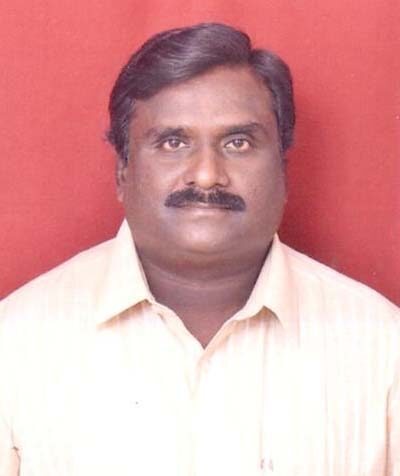
Dr. Neelkant Reddy Patil |
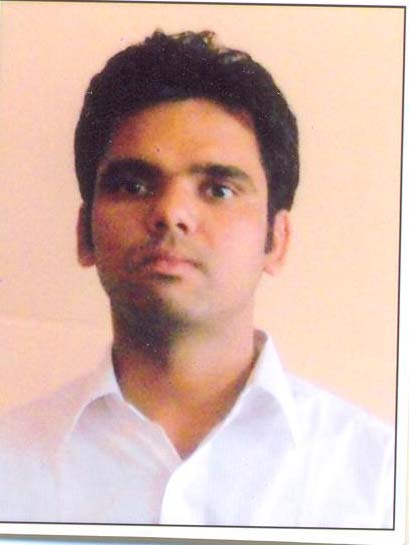
Mr. Manjunath Gandage | Dr. Sharanabasava S Birardar | Dr. Pooja V. Salimath |
| Professor/HOD | Associate Professor | Professor |
Associate Professor |
 |
 |
 |
|
|
Dr. Prasad Bali |
Dr. Vanishree Babladi | Dr. Kalyankumar Sajjan | |
| Assistant Professor | Assistant Professor | Assistant Professor |
Syllabus
BP 703T. PHARMACY PRACTICE (Theory)
45 Hours
Scope: In the changing scenario of pharmacy practice in India, for successful practice of Hospital Pharmacy, the students are required to learn various skills like drug distribution, drug information, and therapeutic drug monitoring for improved patient care. In community pharmacy, students will be learning various skills such as dispensing of drugs, responding to minor ailments by providing suitable safe medication, patient counselling for improved patient care in the community set up.
Objectives: Upon completion of the course, the student shall be able to
- know various drug distribution methods in a hospital
- appreciate the pharmacy stores management and inventory control
- monitor drug therapy of patient through medication chart review and clinical review
- obtain medication history interview and counsel the patients
- identify drug related problems
- detect and assess adverse drug reactions
- interpret selected laboratory results (as monitoring parameters in therapeutics) of specific disease states
- know pharmaceutical care services
- do patient counseling in community pharmacy;
- appreciate the concept of Rational drug
Unit I: 10 Hours
- Hospital and it’s organization
Definition, Classification of hospital- Primary, Secondary and Tertiary hospitals, Classification based on clinical and non- clinical basis, Organization Structure of a Hospital, and Medical staffs involved in the hospital and their functions.
b) Hospital pharmacy and its organization
Definition, functions of hospital pharmacy, Organization structure, Location, Layout and staff requirements, and Responsibilities and functions of hospital pharmacists.
c) Adverse drug reaction
Classifications – Excessive pharmacological effects, secondary pharmacological effects, idiosyncrasy, allergic drug reactions, genetically determined toxicity, toxicity following sudden withdrawal of drugs, Drug interaction- beneficial interactions, adverse interactions, and pharmacokinetic drug interactions, Methods for detecting
drug interactions, spontaneous case reports and record linkage studies, and Adverse drug reaction reporting and management.
d) Community Pharmacy
Organization and structure of retail and wholesale drug store, types and design, Legal requirements for establishment and maintenance of a drug store, Dispensing of proprietary products, maintenance of records of retail and wholesale drug store.
Unit II: 10 Hours
- Drug distribution system in a hospital
Dispensing of drugs to inpatients, types of drug distribution systems, charging policy and labelling, Dispensing of drugs to ambulatory patients, and Dispensing of controlled drugs.
b) Hospital formulary
Definition, contents of hospital formulary, Differentiation of hospital formulary and Drug list, preparation and revision, and addition and deletion of drug from hospital formulary.
c) Therapeutic drug monitoring
Need for Therapeutic Drug Monitoring, Factors to be considered during the Therapeutic Drug Monitoring, and Indian scenario for Therapeutic Drug Monitoring.
d) Medication adherence
Causes of medication non-adherence, pharmacist role in the medication adherence, and monitoring of patient medication adherence.
e) Patient medication history interview
Need for the patient medication history interview, medication interview forms.
f) Community pharmacy management
Financial, materials, staff, and infrastructure requirements.
Unit III: 10 Hours
- Pharmacy and therapeutic committee
Organization, functions, Policies of the pharmacy and therapeutic committee in including drugs into formulary, inpatient and outpatient prescription, automatic stop order, and emergency drug list preparation.
b) Drug
information services
Drug and Poison information centre, Sources of drug information, Computerised services, and storage and retrieval of information.
c) Patient
counseling
Definition of patient counseling; steps involved in patient counseling, and Special cases that require the pharmacist
d) Education and training program in the hospital
Role of pharmacist in the education and training program, Internal and external training program, Services to the nursing homes/clinics, Code of ethics for community pharmacy, and Role of pharmacist in the interdepartmental communication and community health education.
e) Prescribed medication order and communication skills
Prescribed medication order- interpretation and legal requirements, and Communication skills- communication with prescribers and patients.
Unit IV 8 Hours
- Budget
preparation and implementation
Budget preparation and implementation
b) Clinical Pharmacy
Introduction to Clinical Pharmacy, Concept of clinical pharmacy, functions and responsibilities of clinical pharmacist, Drug therapy monitoring – medication chart review, clinical review, pharmacist intervention, Ward round participation, Medication history and Pharmaceutical care.
Dosing pattern and drug therapy based on Pharmacokinetic & disease pattern.
c) Over the counter (OTC) sales
Introduction and sale of over the counter, and Rational use of common over the counter medications.
Unit V 7 Hours
- Drug store management and inventory control
Organisation of drug store, types of materials stocked and storage conditions, Purchase and inventory control: principles, purchase procedure, purchase order, procurement and stocking, Economic order quantity, Reorder quantity level, and Methods used for the analysis of the drug expenditure
b) Investigational use of drugs
Description, principles involved, classification, control, identification, role of hospital pharmacist, advisory committee.
c) Interpretation of Clinical Laboratory Tests
Blood chemistry, hematology, and urinalysis
Recommended Books (Latest Edition):
- Merchant H. and Dr. J.S.Quadry. A textbook of hospital pharmacy, 4th ed. Ahmadabad: B.S. Shah Prakakshan; 2001.
- Parthasarathi G, Karin Nyfort-Hansen, Milap C A textbook of Clinical Pharmacy Practice- essential concepts and skills, 1st ed. Chennai: Orient Longman Private Limited; 2004.
- William Hassan. Hospital pharmacy, 5th ed. Philadelphia: Lea & Febiger; 1986.
- Tipnis Hospital Pharmacy, 1st ed. Maharashtra: Career Publications; 2008.
- Scott LT. Basic skills in interpreting laboratory data, 4thed. American Society of Health System Pharmacists Inc; 2009.
- Parmar S. Health Education and Community Pharmacy, 18th ed. India: CBS Publishers & Distributers; 2008.
Journals:
- Therapeutic drug ISSN: 0163-4356
- Journal of pharmacy ISSN : 0974-8326
- American journal of health system ISSN: 1535-2900 (online)
- Pharmacy times (Monthly magazine)
Research
Activities Of The Department
Activities of the Department of Pharmacy Practice
The Department of Pharmacy Practice focuses on patient-centred care, clinical training, and professional skill development. The department actively engages students in academic, clinical, and community-oriented activities to prepare them for real-world pharmacy practice.
Academic & Teaching Activities
- Classroom teaching for Pharm. D and B. Pharm courses as per PCI syllabus
- Case-based learning (CBL) and problem-based learning (PBL)
- Clinical case presentations and discussions
- Drug information and literature evaluation exercises
Clinical & Hospital-Based Activities
- Use of Micromedex software
- Clinical postings in Basaveshwar Teaching and General Hospital
- Participation in ward rounds along with doctors
- Medication history interview and documentation
- Identification and resolution of drug-related problems
- Patient counseling on disease, drugs, and lifestyle modification
Community & Public Health Activities
- Health awareness programs (Diabetes, Hypertension, Asthma, etc.)
- Free health check-up and screening camps
- Patient education on rational use of medicines
Research & Professional Development
- Student and faculty research projects
- Journal club and research methodology sessions
- Continuing Pharmacy Education (CPE) programs
- Seminars, workshops, and guest lectures
- Participation in conferences and poster presentations
Drug Information & Pharmacovigilance Activities
- Operation of Drug Information Centre (DIC)
- Adverse Drug Reaction (ADR) monitoring and reporting
- Drug utilization review and evaluation
- Preparation of drug information leaflets
Program Outcomes
Programme Outcomes (POs)
Department of Pharmacy Practice
Upon successful completion of the programme, graduates of the Pharmacy Practice programme will be able to:
PO1. Pharmaceutical Knowledge
Apply comprehensive knowledge of pharmaceutical sciences, clinical pharmacy, and therapeutic principles to professional pharmacy practice.
PO2. Patient-Centered Care
Provide safe, effective, and rational medication therapy through patient assessment, counseling, and monitoring of therapeutic outcomes.
PO3. Clinical Decision Making
Identify, evaluate, and resolve drug-related problems using evidence-based clinical decision-making skills.
PO4. Drug Information & Pharmacovigilance
Collect, analyze, and disseminate accurate drug information and actively participate in adverse drug reaction monitoring and reporting systems.
PO5. Professional Ethics & Responsibility
Demonstrate ethical behavior, professional responsibility, and adherence to legal and regulatory requirements in pharmacy practice.
PO6. Communication & Interprofessional Skills
Communicate effectively with patients, caregivers, and healthcare professionals as part of an interprofessional healthcare team.
PO7. Public Health & Community Engagement
Promote public health through health education, disease prevention programs, and rational use of medicines in the community.
PO8. Research & Lifelong Learning
Apply research principles, analyze clinical data, and engage in lifelong learning to adapt to advances in pharmacy and healthcare.
PO9. Leadership & Management Skills
Demonstrate leadership, management, and organizational skills in clinical, hospital, and community pharmacy settings.
PO10. Technology & Informatics
Utilize modern healthcare technologies, clinical informatics, and digital tools to support safe and effective pharmacy practice.
Future Plans
Future Plans of the Department of Pharmacy Practice
The Department of Pharmacy Practice aims to continuously enhance academic excellence, clinical exposure, and research culture in alignment with evolving healthcare needs. The future plans of the department include:
Academic & Curriculum Development
- Introduction of advanced clinical pharmacy electives and skill-based certification programs
- Strengthening case-based, problem-based learning methods
- Expansion of collaborations with multispecialty hospitals and healthcare institutions
- Increased student involvement in multidisciplinary healthcare team
- Promotion of practice-based and outcome-oriented clinical research
- Strengthening the Drug Information Centre (DIC) with updated databases and digital resources
- Regular training programs on ADR reporting and medication safety
- Active participation in national health programs related to chronic disease management
- Training programs to enhance clinical, research, and communication skills of students
Gallery
Our Recruiters
Our trusted placement partners connect talent with opportunity, ensuring bright futures for our students in leading industries.