

Industrial Pharmacy
Industrial Pharmacy
The Industrial Pharmacy Department focuses on the large-scale manufacture, quality control, packaging, storage, and regulatory aspects of pharmaceutical products. It bridges pharmaceutical science with industrial production and management, preparing students for careers in the pharma industry.
Objectives of the Department
-
Train students in industrial-scale drug manufacturing
-
Develop skills in quality assurance (QA) and quality control (QC)
-
Impart knowledge of Good Manufacturing Practices (GMP) and regulatory affairs
-
Prepare students for roles in pharmaceutical industries, R&D, and compliance
Major Subjects Covered
-
Pharmaceutical Technology (Tablets, Capsules, Injectables)
-
Industrial Pharmacy I & II
-
Quality Assurance and Quality Control
-
Pharmaceutical Engineering
-
Biopharmaceutics and Pharmacokinetics
-
Regulatory Affairs and Drug Laws
-
Packaging Technology
-
Validation and Documentation
-
Production and Industrial Management
Laboratories & Facilities
-
Tablet & Capsule Manufacturing Lab
-
Sterile Products Lab
-
Quality Control Lab
-
Pharmaceutical Engineering Lab
- Pilot Plant / Industrial Training Unit
-
Instruments such as:
-
Tablet compression machines
-
Dissolution & disintegration testers
-
HPLC, UV spectrophotometer
-
Stability chambers
-
Skills Students Gain
-
Formulation and scale-up techniques
-
SOP preparation and documentation
-
Process validation
-
Regulatory compliance (CDSCO, WHO-GMP, USFDA basics)
-
Industrial safety and ethics
-
Teamwork and production planning
Career Opportunities
Graduates from Industrial Pharmacy can work as:
-
Production Pharmacist
-
Quality Control Analyst
-
Quality Assurance Officer
-
Regulatory Affairs Executive
-
Validation Executive
-
R&D Formulation Scientist
-
Pharmaceutical Marketing & Management roles
They can work in:
-
Pharmaceutical manufacturing companies
-
Biotech firms
-
Contract research organizations (CROs)
-
Regulatory bodies
-
Hospitals and healthcare industries
Higher Studies Options
-
M.Pharm (Industrial Pharmacy / Pharmaceutics)
-
MBA (Pharma Management)
-
PhD in Pharmaceutical Sciences
-
Certification courses in Regulatory Affairs, QA/QC
Importance of Industrial Pharmacy
Industrial Pharmacy plays a critical role in ensuring safe, effective, and high-quality medicines reach patients. It supports public health, innovation, and compliance with national and international standards.
Teaching Staff
 |
 |
 |
 |
|
Mr. Lingaraj S. Danki |
Dr. Sharanabasappa S. Bushetti | Mr. Basavaraj Bendegumble | Mr. Mallikarjun Kinagi |
| Professor/ HOD/ Vice-Principal | Professor | Associate Professor |
Associate Professor |
 |
 |
 |
|
|
Dr. Renuka Rampure |
Smt. Pushpanjali V Tellur | Sri. Sachinkumar Wali | |
| Assistant Professor | Assistant Professor | Assistant Professor |
Syllabus
BP 303 T. PHARMACEUTICAL MICROBIOLOGY (Theory)
45Hours
- Study of all categories of microorganisims especially for the production of alchol antibiotics, vaccines, vitamins enzymes etc..
Objectives: Upon completion of the subject student shall be able to;
- Understand methods of identification, cultivation and preservation of various microorganisms
- To understand the importance and implementation of sterlization in pharmaceutical processing and industry
- Learn sterility testing of pharmaceutical
- Carried out microbiological standardization of
- Understand the cell culture technology and its applications in pharmaceutical
Course content:
Unit I 10 Hours
Introduction, history of microbiology, its branches, scope and its importance.
Introduction to Prokaryotes and Eukaryotes
Study of ultra-structure and morphological classification of bacteria, nutritional requirements, raw materials used for culture media and physical parameters for growth, growth curve, isolation and preservation methods for pure cultures, cultivation of anaerobes, quantitative measurement of bacterial growth (total & viable count).
Study of different types of phase constrast microscopy, dark field microscopy and electron microscopy.
Unit II 10 Hours
Identification of bacteria using staining techniques (simple, Gram’s &Acid fast staining) and biochemical tests (IMViC).
Study of principle, procedure, merits, demerits and applications of physical, chemical gaseous,radiation and mechanical method of sterilization.
Evaluation of the efficiency of sterilization methods.
Equipments employed in large scale sterilization. Sterility indicators.
Unit III 10 Hour
Study of morphology, classification, reproduction/replication and cultivation of Fungi and Viruses.
Classification and mode of action of disinfectants
Factors influencing disinfection, antiseptics and their evaluation. For bacteriostatic and bactericidal actions
Evaluation of bactericidal & Bacteriostatic.
Sterility testing of products (solids, liquids, ophthalmic and other sterile products) according to IP, BP and USP.
Unit IV 08 Hours
Designing of aseptic area, laminar flow equipments; study of different sources of contamination in an aseptic area and methods of prevention, clean area classification.
Principles and methods of different microbiological assay. Methods for standardization of antibiotics, vitamins and amino acids.
Assessment of a new antibiotic.
Unit V 07Hours
Types of spoilage, factors affecting the microbial spoilage of pharmaceutical products, sources and types of microbial contaminants, assessment of microbial contamination and spoilage.
Preservation of pharmaceutical products using antimicrobial agents, evaluation of microbial stability of formulations.
Growth of animal cells in culture, general procedure for cell culture, Primary, established and transformed cell cultures.
Application of cell cultures in pharmaceutical industry and research.
BP 307P.PHARMACEUTICAL MICROBIOLOGY (Practical)
4 Hrs/week
Introduction and study of different equipments and processing, e.g., B.O.D. incubator, laminar flow, aseptic hood, autoclave, hot air sterilizer, deep freezer, refrigerator, microscopes used in experimental microbiology.
- Sterilization of glassware, preparation and sterilization of
- Sub culturing of bacteria and Nutrient stabs and slants preparations.
- Staining methods- Simple, Grams staining and acid fast staining (Demonstration with practical).
- Isolation of pure culture of micro-organisms by multiple streak plate technique and other
- Microbiological assay of antibiotics by cup plate method and other methods
- Motility determination by Hanging drop
- Sterility testing of
- Bacteriological analysis of water
- Biochemical
Recommended Books (Latest edition)
- B. Hugo and A.D. Russel: Pharmaceutical Microbiology, Blackwell Scientific publications, Oxford London.
- Prescott and , Industrial Microbiology, 4th edition, CBS Publishers & Distributors, Delhi.
- Pelczar, Chan Kreig, Microbiology, Tata McGraw Hill
- Malcolm Harris, Balliere Tindall and Cox: Pharmaceutical
- Rose: Industrial
- Probisher, Hinsdill et al: Fundamentals of Microbiology, 9th Japan
- Cooper and Gunn’s: Tutorial Pharmacy, CBS Publisher and
- Peppler: Microbial
- P., B.P., U.S.P.- latest editions.
- Ananthnarayan : Text Book of Microbiology, Orient-Longman, Chennai
- Edward: Fundamentals of
- K.Jain: Pharmaceutical Microbiology, Vallabh Prakashan, Delhi
- Bergeys manual of systematic bacteriology, Williams and Wilkins- A Waverly company
BP 403 T. PHYSICAL PHARMACEUTICS-II (Theory)
45Hours
Scope: The course deals with the various physica and physicochemical properties, and principles involved in dosage forms/formulations. Theory and practical components of the subject help the student to get a better insight into various areas of formulation research and development, and stability studies of pharmaceutical dosage forms.
Objectives: Upon the completion of the course student shall be able to
- Understand various physicochemical properties of drug molecules in the designing the dosage forms
- Know the principles of chemical kinetics & to use them for stability testing nad determination of expiry date of formulations
- Demonstrate use of physicochemical properties in the formulation development and evaluation of dosage forms.
Course Content:
UNIT-I 07 Hours
Colloidal dispersions: Classification of dispersed systems & their general characteristics, size & shapes of colloidal particles, classification of colloids & comparative account of their general properties. Optical, kinetic & electrical properties. Effect of electrolytes, coacervation, peptization& protective action.
UNIT-II 10 Hours
Rheology: Newtonian systems, law of flow, kinematic viscosity, effect of temperature, non-Newtonian systems, pseudoplastic, dilatant, plastic, thixotropy, thixotropy in formulation, determination of viscosity, capillary, falling Sphere, rotational viscometers
Deformation of solids: Plastic and elastic deformation, Heckel equation, Stress, Strain, Elastic Modulus
UNIT-III 10 Hours
Coarse dispersion: Suspension, interfacial properties of suspended particles, settling in suspensions, formulation of flocculated and deflocculated suspensions. Emulsions and theories of emulsification, microemulsion and multiple emulsions; Stability of emulsions, preservation of emulsions, rheological properties of emulsions and emulsion formulation by HLB method.
UNIT-IV 10Hours
Micromeretics: Particle size and distribution, mean particle size, number and weight distribution, particle number, methods for determining particle size by different methods, counting and separation method, particle shape, specific surface, methods for determining surface area, permeability, adsorption, derived properties of powders, porosity, packing arrangement, densities, bulkiness & flow properties.
UNIT-V 10 Hours
Drug stability: Reaction kinetics: zero, pseudo-zero, first & second order, units of basic rate constants, determination of reaction order. Physical and chemical factors influencing the chemical degradation of pharmaceutical product: temperature, solvent, ionic strength, dielectric constant, specific & general acid base catalysis, Simple numerical problems. Stabilization of medicinal agents against common reactions like hydrolysis & oxidation. Accelerated stability testing in expiration dating of pharmaceutical dosage forms. Photolytic degradation and its prevention
BP 407P. PHYSICAL PHARMACEUTICS- II (Practical) 3 Hrs/week
- Determination of particle size, particle size distribution using sieving method
- Determination of particle size, particle size distribution using Microscopic method
- Determination of bulk density, true density and porosity
- Determine the angle of repose and influence of lubricant on angle of repose
- Determination of viscosity of liquid using Ostwald’s viscometer
- Determination sedimentation volume with effect of different suspending agent
- Determination sedimentation volume with effect of different concentration of single suspending agent
- Determination of viscosity of semisolid by using Brookfield viscometer
- Determination of reaction rate constant first
- Determination of reaction rate constant second order
- Accelerated stability studies
Recommended Books: (Latest Editions)
- Physical Pharmacy by Alfred Martin, Sixth edition
- Experimental pharmaceutics by Eugene,
- Tutorial pharmacy by Cooper and
- Stocklosam Pharmaceutical calculations, Lea & Febiger, Philadelphia.
- Liberman A, Lachman C., Pharmaceutical Dosage forms, Tablets, Volume-1 to 3, Marcel Dekkar Inc.
- Liberman A, Lachman C, Pharmaceutical dosage forms. Disperse systems, volume 1, 2, 3. Marcel Dekkar Inc.
- Physical Pharmaceutics by Ramasamy C, and Manavalan
BP 702 T. INDUSTRIAL PHARMACYII (Theory)
45 Hours
Scope: This course is designed to impart fundamental knowledge on pharmaceutical product development and translation from laboratory to market
Objectives: Upon completion of the course, the student shall be able to:
- Know the process of pilot plant and scale up of pharmaceutical dosage forms
- Understand the process of technology transfer from lab scale to commercial batch
- Know different Laws and Acts that regulate pharmaceutical industry
- Understand the approval process and regulatory requirements for drug products
Course Content:
UNIT-I 10 Hours
Pilot plant scale up techniques: General considerations – including significance of personnel requirements, space requirements, raw materials, Pilot plant scale up considerations for solids, liquid orals, semi solids and relevant documentation, SUPAC guidelines, Introduction to platform technology
UNIT-II 10 Hours
Technology development and transfer: WHO guidelines for Technology Transfer(TT): Terminology, Technology transfer protocol, Quality risk management, Transfer from R & D to production (Process, packaging and cleaning), Granularity of TT Process (API, excipients, finished products, packaging materials) Documentation, Premises and equipments, qualification and validation, quality control, analytical method transfer, Approved regulatory bodies and agencies, Commercialization – practical aspects and problems (case studies), TT agencies in India – APCTD, NRDC, TIFAC, BCIL, TBSE / SIDBI; TT related documentation – confidentiality agreement, licensing, MoUs, legal issues
UNIT-III 10 Hours
Regulatory affairs: Introduction, Historical overview of Regulatory Affairs, Regulatory authorities, Role of Regulatory affairs department, Responsibility of Regulatory Affairs Professionals
Regulatory requirements for drug approval: Drug Development Teams, Non-Clinical Drug Development, Pharmacology, Drug Metabolism and Toxicology, General considerations of Investigational New Drug (IND) Application, Investigator’s Brochure (IB) and New Drug Application (NDA), Clinical research / BE studies, Clinical Research Protocols, Biostatistics in Pharmaceutical Product Development, Data Presentation for FDA Submissions, Management of Clinical Studies.
UNIT-IV 08 Hours
Quality management systems: Quality management & Certifications: Concept of Quality, Total Quality Management, Quality by Design (QbD), Six Sigma concept, Out of Specifications (OOS), Change control, Introduction to ISO 9000 series of quality systems standards, ISO 14000, NABL, GLP
UNIT-V 07 Hours
Indian Regulatory Requirements: Central Drug Standard Control Organization (CDSCO) and State Licensing Authority: Organization, Responsibilities, Certificate of Pharmaceutical Product (COPP), Regulatory requirements and approval procedures for New Drugs.
Recommended Books: (Latest Editions)
- Regulatory Affairs from Wikipedia, the free encyclopedia modified on 7th April available at http,//en.wikipedia.org/wiki/Regulatory_ Affairs.
- International Regulatory Affairs Updates, available at http://www.iraup.com/about.php
- Douglas J Pisano and David Mantus. Text book of FDA Regulatory Affairs A Guide for Prescription Drugs, Medical Devices, and Biologics’ Second Edition.
- Regulatory Affairs brought by learning plus, available at http.//www.cgmp.com/ra.htm.
Research
| S.NO. | RESEARCH TITLE | RESEARCH SCHOLAR | GUIDE |
| 1 | DESIGN, DEVELOPMENT AND EVALUATION OF NANOSPONGE INCORPORATED BUCCAL FILMS OF TELMISARTAN | BRUNDA
(24PI012) |
Dr S. S. Bhushetti |
| 2 | FORMULATION AND EVALUATION OF RETAPAMULIN NANOGEL FOR IMPROVED ANTI-BACTERIAL ACTIVITY | POORNACHANDRA TEJASVI
(24PI013) |
Dr S. S. Bhushetti |
| 3 | SOLUBILITY STUDIES OF APROCITANTANBY VARIOUS TECHNIQUES | RAKESH
(24PI015) |
Dr S. S. Bhushetti |
| 4 | DESIGN AND INVITRO EVALUATION OF GASTRIC FLOATING DRUG DELIVERY SYSTEM | RASHMI G PATIL
(24PI016) |
Dr Lingaraj Danki |
| 5 | DESIGN, DEVELOPMENT AND EVALUATION OF ATENOLOL SUSTAINED RELEASE MATRIX TABLET USING POLYMERS OF DIFFERENT ORIGIN | ROHAN
(24PI017) |
Dr S. S. Bhushetti |
| 6 | FORMULATION OF POLYHERBAL ROLL-ON AND ITS EVALUATION FOR ANTIFUNGAL ACTIVITY | SHREYA HIREMATH
(24PI018) |
Basawraj Bendegumble |
| 7 | FORMULATION AND EVALUATION OF TRANSDERMAL PATCHES OF BARICITINIB FOR ANTI-RHUMATOID ARTHRITIS | SHRIPAD
(24PI019) |
Basawraj Bendegumble |
| 8 | FORMULATION DEVELOPMENT AND EVALUATION OF GRISEOFULVIN TABLETS: SELECTION OF SOLUBILITY ENHANCER COMBINATION BY 23 FACTORIAL DESIGN | SULOCHANA
(24PI020) |
Dr Lingaraj Danki |
| 9 | DESIGN, DEVELOPMENT AND EVALUATION OF MUCOADHESIVE TELMISARTAN TABLETS | VISHAL
(24PI021) |
Dr Lingaraj Danki |
Activities Of The Department
Lorem Ipsum is simply dummy text of the printing and typesetting industry. Lorem Ipsum has been the industry’s standard dummy text ever since the 1500s, when an unknown printer took a galley of type and scrambled it to make a type specimen book. It has survived not only five centuries, but also the leap into electronic typesetting, remaining essentially unchanged. It was popularised in the 1960s with the release of Letraset sheets containing Lorem Ipsum passages, and more recently with desktop publishing software like Aldus PageMaker including versions of Lorem Ipsum.
Program Outcomes
Lorem Ipsum is simply dummy text of the printing and typesetting industry. Lorem Ipsum has been the industry’s standard dummy text ever since the 1500s, when an unknown printer took a galley of type and scrambled it to make a type specimen book. It has survived not only five centuries, but also the leap into electronic typesetting, remaining essentially unchanged. It was popularised in the 1960s with the release of Letraset sheets containing Lorem Ipsum passages, and more recently with desktop publishing software like Aldus PageMaker including versions of Lorem Ipsum.
Future Plans
Lorem Ipsum is simply dummy text of the printing and typesetting industry. Lorem Ipsum has been the industry’s standard dummy text ever since the 1500s, when an unknown printer took a galley of type and scrambled it to make a type specimen book. It has survived not only five centuries, but also the leap into electronic typesetting, remaining essentially unchanged. It was popularised in the 1960s with the release of Letraset sheets containing Lorem Ipsum passages, and more recently with desktop publishing software like Aldus PageMaker including versions of Lorem Ipsum.
Gallery
-
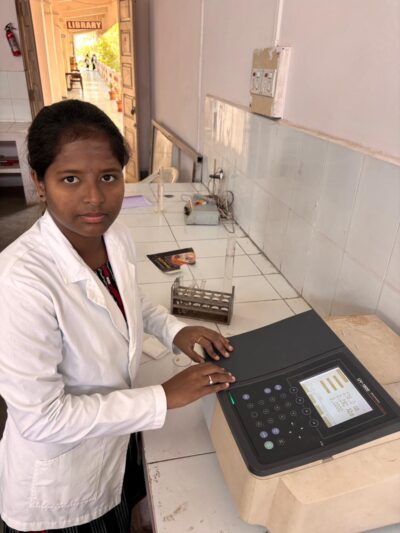
- UV SPECTROPHOTOMETRIC ESTIMATION
-
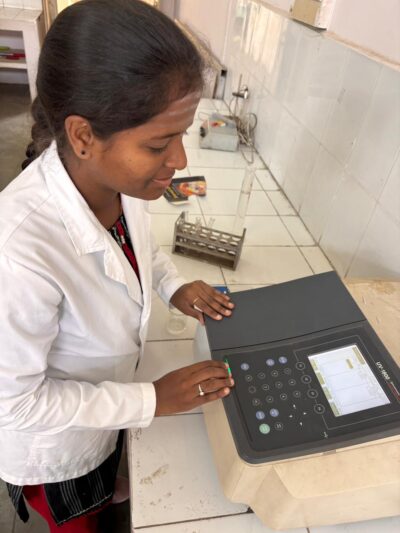
- UV SPECTROPHOTOMETRIC ESTIMATION
-
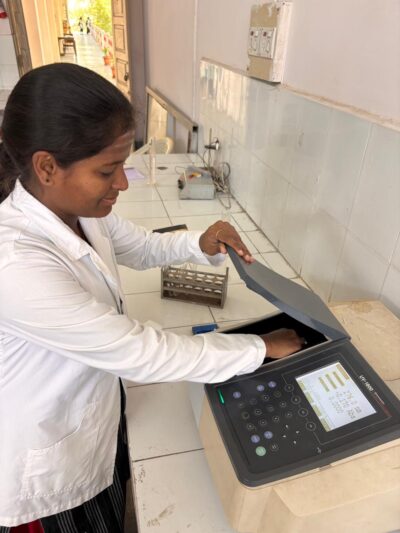
- UV SPECTROPHOTOMETRIC ESTIMATION
-
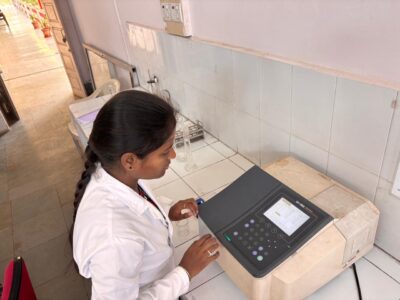
- UV SPECTROPHOTOMETRIC ESTIMATION
-
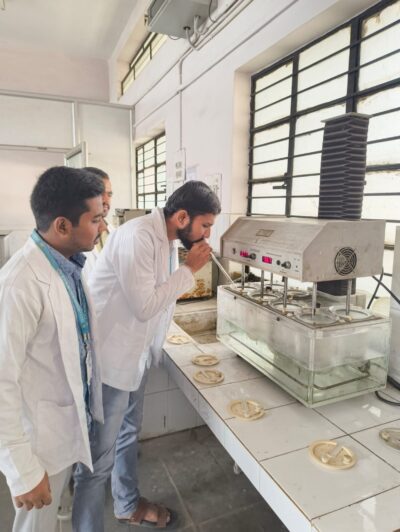
- TABLET DISSOLUTION STUDY
-
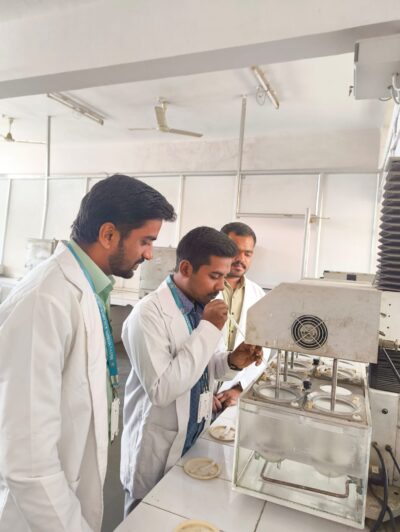
- TABLET DISSOLUTION STUDY
-
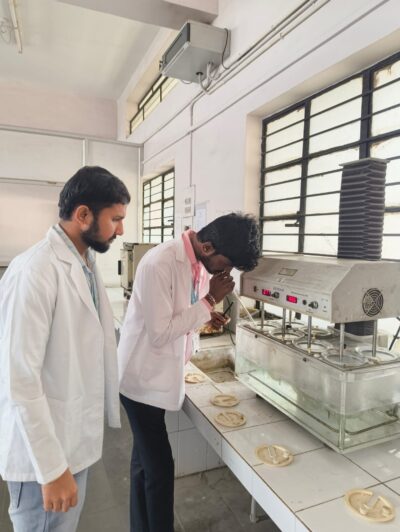
- TABLET DISSOLUTION STUDY
-
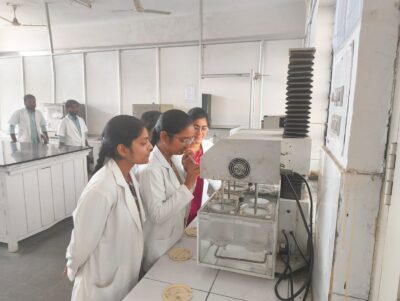
- TABLET DISSOLUTION STUDY
-
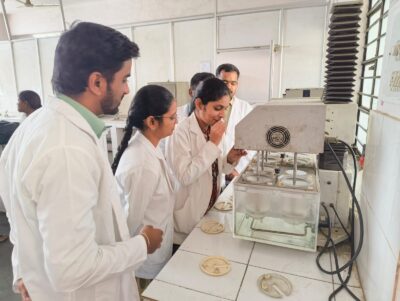
- TABLET DISSOLUTION STUDY
-
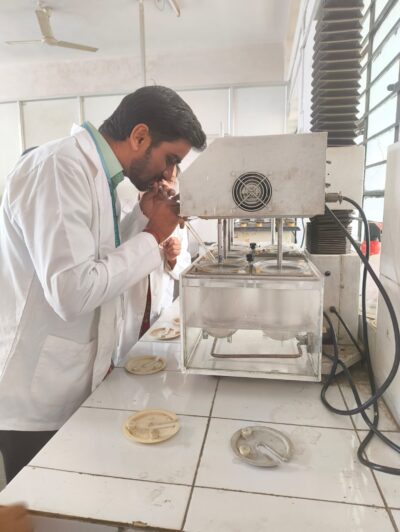
- TABLET DISSOLUTION STUDY
-
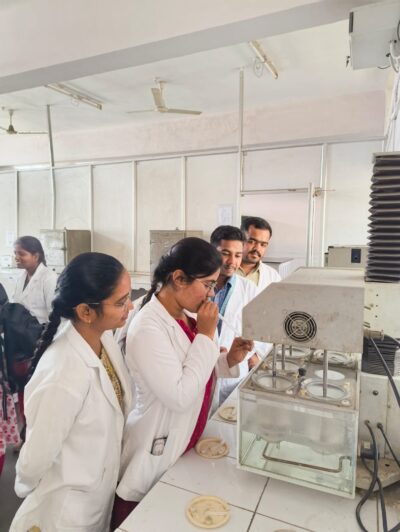
- TABLET DISSOLUTION STUDY
-
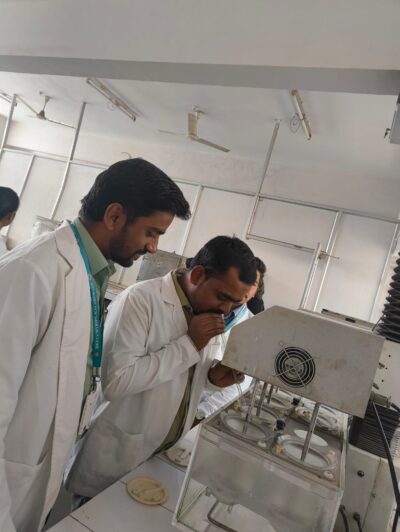
- TABLET DISSOLUTION STUDY
Our Recruiters
Our trusted placement partners connect talent with opportunity, ensuring bright futures for our students in leading industries.